New Zealand researchers secure grant for AI disaster response research
Aotearoa New Zealand is heading an international project to develop AI-enabled disaster response solutions, with work being led by Dr Farhad Mehdipour from our Auckland…
New Zealand researchers secure grant for AI disaster response research
Aotearoa New Zealand is heading an international project to develop AI-enabled disaster response solutions, with work being led by Dr Farhad Mehdipour from our Auckland International Campus.
Funded by the Royal Society Te Apārangi's Catalyst: Seeding programme, the two-year project will develop a Mobile and Home Evacuee Assistance System (MHEAS).
It will focus on reaching “hidden evacuees” who are often overlooked in traditional emergency responses.
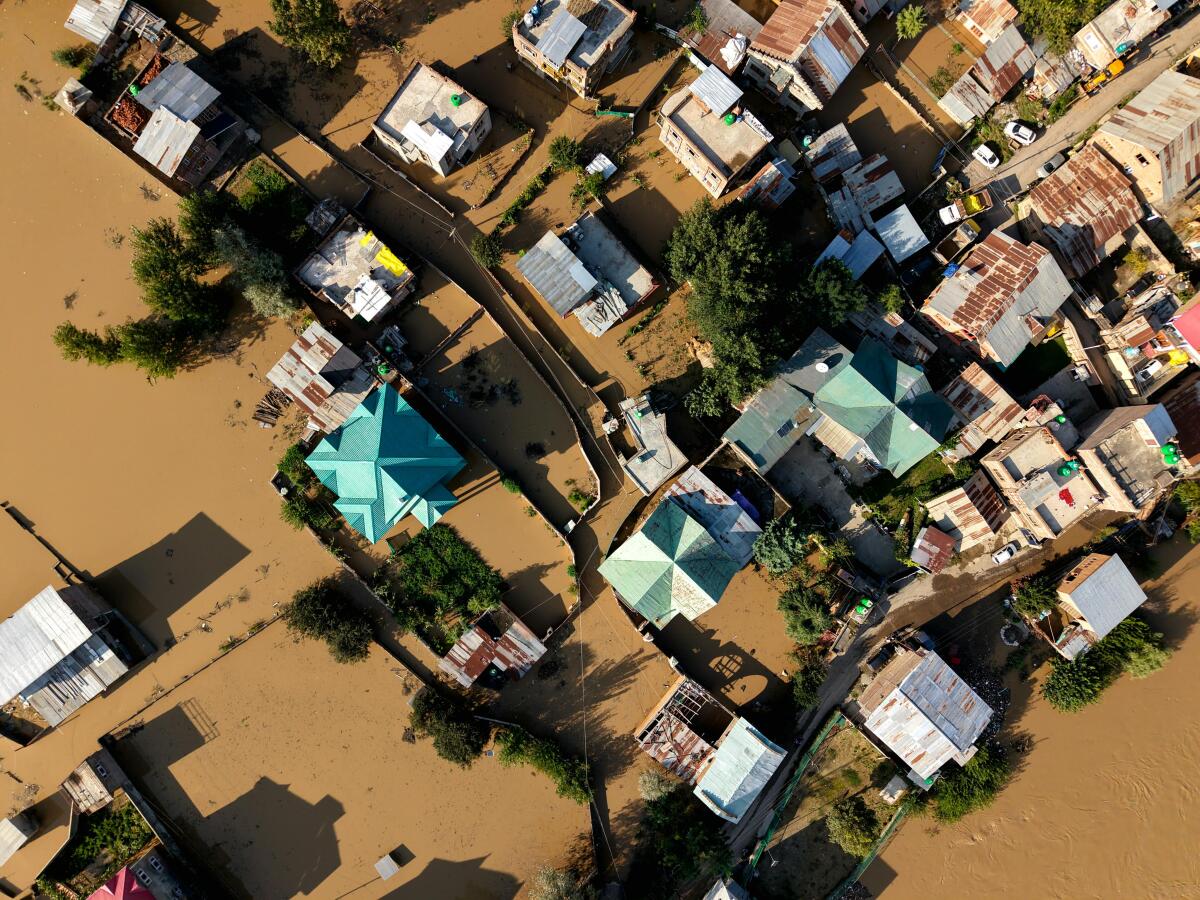
The project, titled Cross-Country Co-Design of an Ethical Disaster Evacuee Assistance System, responds to recent disasters such as Cyclone Gabrielle (New Zealand), the Noto Earthquake (Japan), and the Ahr River Floods (Germany).
In these cases, large populations sheltered in place or in vehicles but remained invisible to central aid systems.
The project is led by Dr Farhad Mehdipour, Research Director and Head of Information Technology at Otago Polytechnic Auckland International Campus and Future Skills. It brings together a multidisciplinary team spanning four countries.
The New Zealand team includes Dr Karaitiana Taiuru (a leading Māori expert in AI ethics and data sovereignty), Keri Ropiha and Dr Megan Boston (University of Waikato), Dr Raj Prasanna (Massey University), Dr Naz Tavasoli (Auckland Council) and Dr Aniket Mahanti (University of Auckland).
International collaborators include Prof Ari Aharari (Sojo University, Japan), Prof Kazuaki Murakami (DX Partners, Japan), Prof Bahman Javadi (Western Sydney University, Australia), and Prof Jürgen Jung (Frankfurt University of Applied Sciences, Germany).
The team will explore how privacy-preserving AI, federated learning, and Indigenous knowledge frameworks can enable more inclusive, ethical, and culturally grounded emergency response systems.
Key outputs include co-designed prototypes, ethical frameworks, joint publications, and a roadmap for future scale-up.
Other Stories
Students develop AI tool for Deaf community
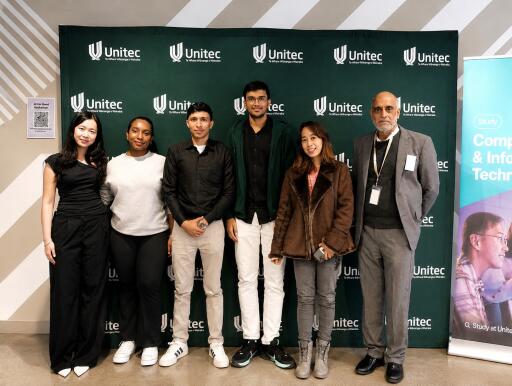
Auckland International Campus Information Technology students have developed an AI-powered tool to help Deaf people better understand everyday documents, earning third place at the Aotearoa…
AIC students help develop fitness coaching app for German company
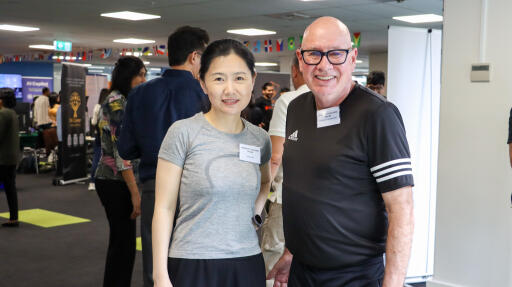
Auckland International Campus students have helped develop a custom fitness coaching app for a German fitness company, with the project now featured in a peer-reviewed…
AIC lecturer publishes ethics and sustainability study
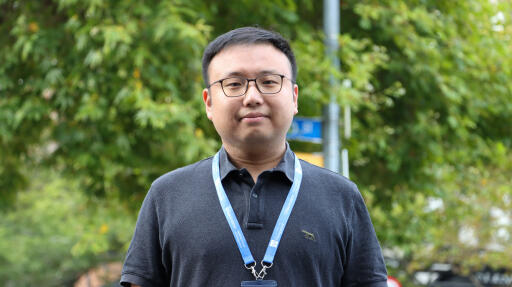
AIC Senior Lecturer Jimmy Sun has had his latest research into ethical and sustainable business practices published in one of the world's leading journals in…